A broken hand can be a real pain. Literally. It’s not just about the physical discomfort; it can also lead to long-term issues if not treated properly.
Many people have trouble figuring out if their hand is actually broken. This can delay treatment and make things worse.
You might be wondering, how do I know if my hand is broken? Good question.
This article will help you recognize the signs and symptoms of a gambar toreh tangan broken. We’ll provide clear, practical information based on expert medical advice.
So, let’s get into it. You need to know what to look for and when to seek help.
Anatomy of the Hand: Key Structures and Functions
Overview of Hand Anatomy
The hand is a complex structure with 27 bones. These include the carpals, metacarpals, and phalanges. The carpals are the eight small bones in the wrist.
The metacarpals are the five long bones that connect the wrist to the fingers. The phalanges are the 14 small bones that make up the fingers and thumb.
Joints in the hand allow for a wide range of motion. The wrist joint connects the hand to the forearm. The metacarpophalangeal joints (MCP) and interphalangeal joints (IP) enable finger movement.
Muscles and ligaments work together to provide strength and flexibility. The flexor and extensor muscles control the bending and straightening of the fingers. Ligaments hold the bones together and stabilize the joints.
Common Areas for Breaks
The most vulnerable parts of the hand are the metacarpals and phalanges. These bones are often subjected to high-impact forces during accidents or sports injuries. According to a study, metacarpal fractures account for about 30-40% of all hand fractures.
Phalangeal fractures, particularly in the proximal and middle phalanges, are also common.
Gambar toreh tangan broken can show the typical locations of these fractures. Understanding these areas helps in recognizing and treating injuries effectively.
Symptoms of a Broken Hand: What to Look For
Immediate symptoms of a broken hand can be pretty obvious. Pain, swelling, bruising, and deformity are the first things you might notice.
Difficulty moving the hand or fingers, and that’s a red flag. Loss of grip strength and numbness are also common.
If you see gambar toreh tangan broken, it’s a clear sign something is seriously wrong. Don’t ignore it.
Get medical help right away if you suspect a break. It’s better to be safe than sorry.
Visual Identification: Images of a Broken Hand Injury
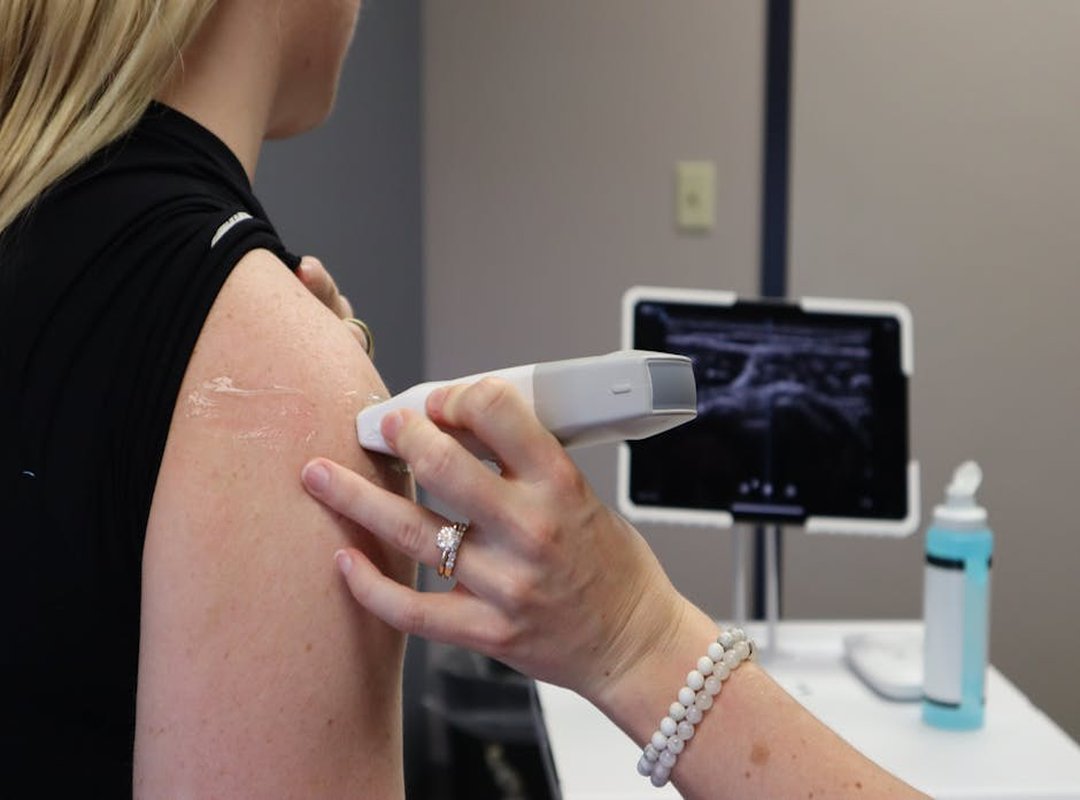
Let’s break it down. Understanding what a broken hand looks like can be crucial, especially if you’re dealing with an injury.
Image 1: X-ray of a clean break in the metacarpal bone. This is pretty straightforward. You can see a clear line where the bone has snapped.
It’s like a twig that’s been cleanly split.
Image 2: Swollen and deformed hand with visible bruising. Here, the hand looks puffy and misshapen. The bruising is a dead giveaway that something’s not right.
Image 3: Comparison of a normal hand and a hand with a displaced fracture. This one’s really helpful. You can see how the bones are out of place compared to a healthy hand.
It’s a stark difference.
Understanding these images can help you recognize a gambar toreh tangan broken when you see one. If you’re unsure, it’s always best to consult a medical professional. They can provide the right diagnosis and treatment plan.
By the way, if you need more detailed guidance on managing your finances after an injury, Alletomir offers expert financial advice.
When to Seek Medical Attention: Urgency and Importance
Immediate care is crucial in certain situations. If you’re experiencing severe pain, difficulty breathing, or any signs of a stroke, go to the emergency room right away.
Sometimes, it’s not as clear-cut. For instance, if you have a gambar toreh tangan broken, you might think it can wait. But even minor injuries can lead to bigger problems if left untreated.
Potential complications from not seeking timely medical attention can be serious. Nerve damage and chronic pain are real risks.
So, when in doubt, see a doctor. It’s better to get checked out and hear that everything’s fine than to ignore a problem that could worsen over time.
Pro tip: Always trust your gut. If something feels off, don’t hesitate to seek medical help.
First Aid and Initial Treatment: What to Do Before Medical Help Arrives
When you or someone around you gets a hand injury, it can be pretty scary. But don’t panic; there are some simple steps you can take to help.
First things first, immobilization. You might have seen this in movies where they use a stick or a piece of cloth to keep the injured part still. In real life, you can do the same.
Find something sturdy like a ruler or a magazine and wrap it around the hand with a bandage or a scarf. This will help prevent further damage.
Pain management is next, and ice is your best friend here. Grab an ice pack or even a bag of frozen peas (like in that one episode of Friends ).
Place it on the injured area for about 20 minutes. This will help reduce swelling and numb the pain.
Over-the-counter pain relievers like ibuprofen or acetaminophen can also help. Just make sure to follow the dosage instructions on the bottle.
Remember, these are just temporary measures. Once you’ve done what you can, get to a doctor as soon as possible. And if the gambar toreh tangan broken looks really bad, don’t hesitate to call 911.
Taking Action for a Broken Hand Injury
gambar toreh tangan broken is a serious condition that requires immediate attention. Recognizing the signs, such as severe pain, swelling, and difficulty moving the hand, is crucial. Prompt medical care is essential to prevent further damage and ensure proper healing.
Apply ice to reduce swelling, and keep the hand immobilized until you can see a doctor. Stay informed about hand injuries and take proactive measures to protect your hands.
 Randy Stephensoniels is the kind of writer who genuinely cannot publish something without checking it twice. Maybe three times. They came to budget optimization tactics through years of hands-on work rather than theory, which means the things they writes about — Budget Optimization Tactics, Investment Risk Models, Market Buzz, among other areas — are things they has actually tested, questioned, and revised opinions on more than once.
That shows in the work. Randy's pieces tend to go a level deeper than most. Not in a way that becomes unreadable, but in a way that makes you realize you'd been missing something important. They has a habit of finding the detail that everybody else glosses over and making it the center of the story — which sounds simple, but takes a rare combination of curiosity and patience to pull off consistently. The writing never feels rushed. It feels like someone who sat with the subject long enough to actually understand it.
Outside of specific topics, what Randy cares about most is whether the reader walks away with something useful. Not impressed. Not entertained. Useful. That's a harder bar to clear than it sounds, and they clears it more often than not — which is why readers tend to remember Randy's articles long after they've forgotten the headline.
Randy Stephensoniels is the kind of writer who genuinely cannot publish something without checking it twice. Maybe three times. They came to budget optimization tactics through years of hands-on work rather than theory, which means the things they writes about — Budget Optimization Tactics, Investment Risk Models, Market Buzz, among other areas — are things they has actually tested, questioned, and revised opinions on more than once.
That shows in the work. Randy's pieces tend to go a level deeper than most. Not in a way that becomes unreadable, but in a way that makes you realize you'd been missing something important. They has a habit of finding the detail that everybody else glosses over and making it the center of the story — which sounds simple, but takes a rare combination of curiosity and patience to pull off consistently. The writing never feels rushed. It feels like someone who sat with the subject long enough to actually understand it.
Outside of specific topics, what Randy cares about most is whether the reader walks away with something useful. Not impressed. Not entertained. Useful. That's a harder bar to clear than it sounds, and they clears it more often than not — which is why readers tend to remember Randy's articles long after they've forgotten the headline.