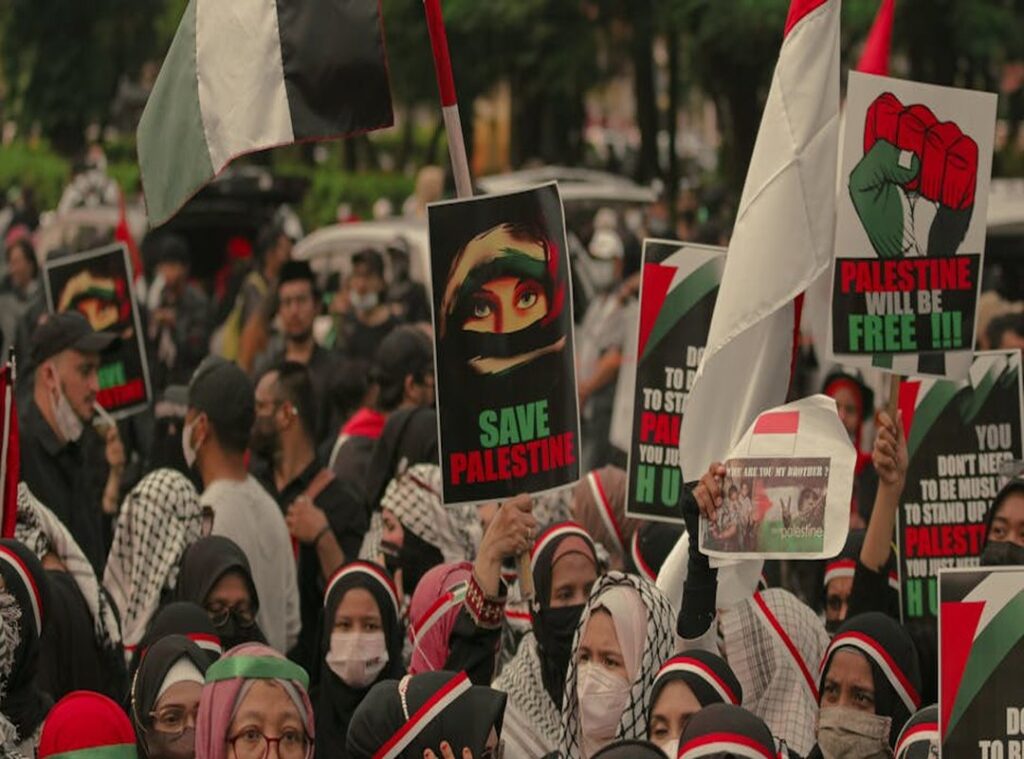
I’ve always been fascinated by the power of art to tell stories and share experiences. Especially when it comes from a place that’s often overlooked or misunderstood. Kartun muslimah palestin is one such example.
These cartoons, created by Palestinian artists, offer a unique and vibrant glimpse into the lives of Muslim women in Palestine.
Mainstream media rarely gives us a true picture of what it’s like to be a Palestinian Muslimah. It’s frustrating, isn’t it? We need more authentic, culturally rich content that shows the real experiences and struggles.
That’s why I’m excited to dive into this.
This article aims to introduce you to the diverse and inspiring world of kartun muslimah palestin. You’ll see how these cartoons provide a genuine insight into their lives, and why they matter so much.
Understanding the Context: The Role of Cartoons in Palestinian Culture
Cartoons have become a powerful medium for storytelling and cultural expression in Palestine. They help convey complex emotions and experiences in a way that’s relatable and accessible.
Historically, Palestinian art has evolved over time, reflecting the struggles and resilience of its people. It’s a way to document and share their stories, especially in the context of Muslimah representation.
Cartoons, or kartun muslimah palestin, play a significant role in this. They highlight the unique experiences and challenges faced by Palestinian Muslim women. These cartoons often depict everyday life, social issues, and political struggles.
They raise awareness about the social and political issues faced by Palestinian Muslimahs. By using simple, visual storytelling, they make these issues more understandable and relatable to a broader audience.
In short, cartoons are not just entertainment. They are a vital tool for cultural expression and social commentary.
Meet the Artists: Notable Muslimah Cartoonists from Palestine
Start with an anecdote about how I first discovered the vibrant world of kartun muslimah palestin. A few years back, I stumbled upon a small, local art fair in Philadelphia. There, among the diverse array of artists, I found a booth that caught my eye.
The artwork was bold, colorful, and spoke to a unique experience.
The artist, Fatima, was there, sharing her story. She grew up in a small village in Palestine, where she started drawing as a child. Her early sketches were simple, but they captured the essence of her community.
Over time, her style evolved, blending traditional motifs with modern themes.
Fatima’s journey wasn’t easy. She faced numerous challenges, from limited resources to societal expectations. But her passion for art kept her going.
Today, her work is recognized both locally and internationally.
Another notable artist is Laila. Her background is quite different. She comes from a family of educators and activists.
Laila’s cartoons often tackle social and political issues, using humor and satire to convey powerful messages. Her style is more minimalist, with clean lines and a focus on facial expressions.
Laila’s path to becoming an artist was influenced by her family’s commitment to education and social justice. She uses her platform to highlight the struggles and resilience of Palestinian women. Her work has been featured in several international exhibitions and publications.
Both Fatima and Laila draw inspiration from their cultural heritage and personal experiences. Their art is a reflection of the rich tapestry of Palestinian life, filled with both joy and struggle. Through their cartoons, they aim to bridge cultures and foster understanding.
Their stories remind us that art can be a powerful tool for change. It can challenge stereotypes, spark conversations, and bring people together.
Themes and Messages: What Do These Cartoons Represent?

Cultural Identity: These cartoons reflect and celebrate the rich and diverse cultural identity of Palestinian Muslimahs. They showcase the unique traditions, values, and daily life experiences that make this community so vibrant.
Social Issues: The cartoons also tackle important social and political issues. One artist I spoke to said, “We use our art to highlight gender equality, education, and community resilience.” It’s a powerful way to bring attention to these critical topics.
- Gender Equality: Challenging stereotypes and promoting equal rights.
- Education: Emphasizing the importance of learning and knowledge.
- Community Resilience: Showcasing the strength and unity of the community.
Religious and Spiritual Elements: The integration of religious and spiritual themes is another key aspect. These elements are not just decorative; they play a significant role in the narratives. For example, one cartoon might depict a prayer scene, while another could show a family gathering during a religious festival.
The term kartun muslimah palestin captures this blend of cultural, social, and spiritual themes. It’s a form of storytelling that resonates deeply with its audience, providing both entertainment and a sense of belonging.
Understanding these themes can help us appreciate the depth and complexity of the art. And if you’re looking to diversify your investment portfolio, understanding different cultural and social trends can be just as important. (Think about how understanding risk and diversification can help you make better financial decisions.)
Impact and Reach: How These Cartoons Are Making a Difference
These cartoons are reaching a global audience, and it’s not just about the numbers. It’s about how they make people feel. Imagine sitting in a classroom in Brazil, or a living room in Japan, and feeling a connection to a story that feels both familiar and new.
The colors, the characters, the way they move—these elements draw you in. You can almost smell the fresh air of the Palestinian landscapes, hear the laughter, and see the vibrant scenes. It’s like being there, even if you’ve never set foot in the region.
Educational value is huge. Schools and community programs use these cartoons to teach about Palestinian culture and history. Kids learn through stories, not just facts.
They see the struggles, the joys, and the everyday life. It’s a window into a world that might otherwise be a mystery.
Community engagement is another big part. These cartoons, especially kartun muslimah palestin, play a vital role in empowering the Palestinian Muslimah community. They provide a platform for voices that often go unheard.
You can see the pride in their eyes, the strength in their stories. It’s not just about watching; it’s about feeling seen and heard. And that feeling?
It’s powerful. It brings people together, no matter where they are in the world.
Celebrating the Art and Impact of Muslimah Cartoons from Palestine
kartun muslimah palestin serve as a vibrant medium to express and celebrate the unique experiences and perspectives of Palestinian women. These cartoons delve into themes of identity, resilience, and daily life, offering a nuanced portrayal of their culture. They highlight the struggles and triumphs of Palestinian Muslimahs, fostering a deeper understanding and appreciation for their rich heritage.
By sharing these stories, kartun muslimah palestin play a crucial role in promoting cultural awareness and social change.
These artistic expressions not only entertain but also educate, breaking down stereotypes and building bridges between different communities. The impact of these cartoons extends beyond borders, reaching audiences worldwide and sparking conversations about the diverse and dynamic nature of Palestinian and Muslim cultures.
Supporting the work of Palestinian Muslimah cartoonists is essential. It not only helps in preserving and promoting their cultural narratives but also encourages a more inclusive and empathetic global community. Readers are encouraged to explore and engage with this art form, continuing to learn about the rich and diverse cultures of the Muslim world.
 Randy Stephensoniels is the kind of writer who genuinely cannot publish something without checking it twice. Maybe three times. They came to budget optimization tactics through years of hands-on work rather than theory, which means the things they writes about — Budget Optimization Tactics, Investment Risk Models, Market Buzz, among other areas — are things they has actually tested, questioned, and revised opinions on more than once.
That shows in the work. Randy's pieces tend to go a level deeper than most. Not in a way that becomes unreadable, but in a way that makes you realize you'd been missing something important. They has a habit of finding the detail that everybody else glosses over and making it the center of the story — which sounds simple, but takes a rare combination of curiosity and patience to pull off consistently. The writing never feels rushed. It feels like someone who sat with the subject long enough to actually understand it.
Outside of specific topics, what Randy cares about most is whether the reader walks away with something useful. Not impressed. Not entertained. Useful. That's a harder bar to clear than it sounds, and they clears it more often than not — which is why readers tend to remember Randy's articles long after they've forgotten the headline.
Randy Stephensoniels is the kind of writer who genuinely cannot publish something without checking it twice. Maybe three times. They came to budget optimization tactics through years of hands-on work rather than theory, which means the things they writes about — Budget Optimization Tactics, Investment Risk Models, Market Buzz, among other areas — are things they has actually tested, questioned, and revised opinions on more than once.
That shows in the work. Randy's pieces tend to go a level deeper than most. Not in a way that becomes unreadable, but in a way that makes you realize you'd been missing something important. They has a habit of finding the detail that everybody else glosses over and making it the center of the story — which sounds simple, but takes a rare combination of curiosity and patience to pull off consistently. The writing never feels rushed. It feels like someone who sat with the subject long enough to actually understand it.
Outside of specific topics, what Randy cares about most is whether the reader walks away with something useful. Not impressed. Not entertained. Useful. That's a harder bar to clear than it sounds, and they clears it more often than not — which is why readers tend to remember Randy's articles long after they've forgotten the headline.