
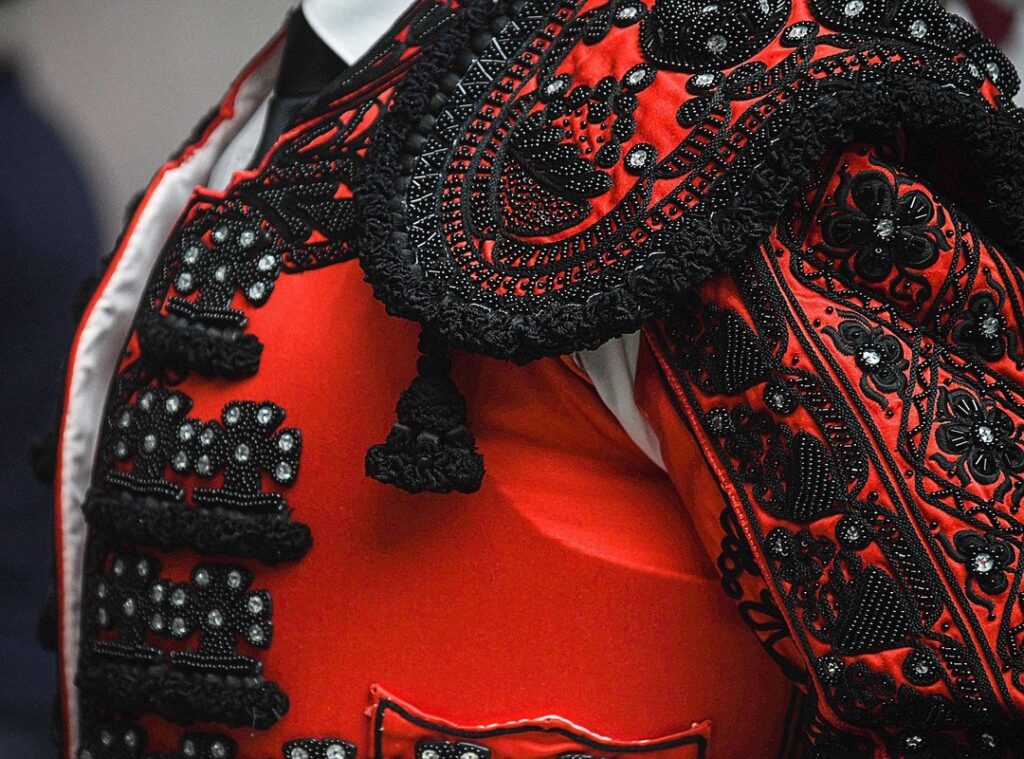
When you think of a statement piece, the torera or bullfighter-style jacket might not be the first thing that comes to mind. But it should. This jacket has a unique silhouette and a rich cultural history.
It’s more than just a piece of clothing; it’s a wearable piece of art.
Originating from Spanish tradition, the torera jacket has been adapted into modern high fashion. You might have seen it on the runway, with its bold shoulders and fitted waist. But what if I told you that you could make your own version?
Even if you’re not a sewing expert, you can create something truly special.
The term virgen in this context likely’t be more straightforward. It means a cleaner, unadorned, or single-color version of the traditionally ornate jacket. Think of it as a blank canvas, ready for your personal touch.
In the next few paragraphs, I’ll guide you through torera virgen como se hace. It’s a step-by-step process, and I promise, even with basic sewing skills, you can do it. Let’s dive in and create something that’s both stylish and meaningful.
Gathering Your Materials: The Blueprint for Success
Let’s get one thing straight. You can’t build a great project without the right materials. It’s like trying to bake a cake with no flour.
Just doesn’t work.
First up, you need the main fabric. For a classic shape, go with something structured. Think brocade, velvet, denim, or a heavy twill.
These fabrics hold their form and give your project that professional look.
Next, don’t skimp on the lining. A quality lining fabric like satin, silk, or Bemberg makes all the difference. It adds comfort and a touch of luxury inside.
Now, let’s talk notions. You’ll need heavy-duty thread, fusible interfacing for the collar and front facings, and closures. Hooks and eyes or decorative frog closures are popular choices.
They add a nice finish and keep everything in place.
Optional embellishments can really make your torera virgen stand out. Soutache braid for edging, small shoulder pads (hombreras) for structure, or subtle tone-on-tone embroidery. These details can elevate your design and make it truly unique.
Estimating fabric yardage is crucial. It depends on your size and the fabric’s width. Generally, for a medium-sized project, you might need around 2-3 yards.
But always double-check with your specific pattern.
In the future, I predict we’ll see more sustainable and eco-friendly fabrics becoming mainstream. People are getting more conscious about the environment, and that’s going to reflect in the materials they choose. So, if you’re thinking long-term, consider investing in some eco-friendly options now.
Pattern Prep and Cutting: The Foundation of a Perfect Fit
Starting with a solid pattern is crucial. It’s the blueprint for your project. I recommend sourcing a commercial bolero or cropped jacket pattern that can be easily modified.
This way, you have a reliable base to work from.
Taking accurate measurements is the next step. Focus on bust, shoulder width, and sleeve length. These are key to a custom fit.
Don’t skip this part. A well-fitted jacket depends on it.
Laying out the pattern pieces on the fabric is where many people go wrong. Follow the grainline. It ensures the jacket hangs correctly.
If you ignore the grainline, you might end up with a lopsided, unflattering fit.
Use a rotary cutter and mat for accuracy. Or, if you prefer, use sharp fabric shears. Both tools can give you clean, precise cuts.
Pro tip: Always cut with the fabric fully laid out and smoothed flat.
Transfer all pattern markings—darts, notches—to the fabric pieces before removing the pattern. This step is often overlooked but is essential for a professional finish.
Remember, torera virgen como se hace is about getting the details right. Take your time, and don’t rush through these steps.
Assembling Your Jacket: A Step-by-Step Sewing Guide

Let’s break down the construction process into clear, manageable steps. Alletomir
First, apply interfacing to the collar, cuffs, and front facings. This adds structure and helps the jacket keep its shape.
Next, sew the main body of the jacket. Start with the shoulder seams, then move on to the side seams. If your pattern includes darts for shaping, sew those next.
Now, let’s talk about the sleeves. Constructing and setting in the sleeves is crucial for a professional look and comfortable fit. Make sure to follow the pattern instructions carefully, and don’t rush this step.
After the sleeves, it’s time to assemble the lining. Sew the lining separately, just like you did with the main jacket.
Once the lining is ready, you’ll bag it by sewing it to the main jacket. This gives a clean, enclosed finish. It’s a bit tricky, but take your time.
Attaching the collar is next. Ensure you get sharp points and a smooth curve around the neckline. This can make or break the look of your jacket.
Pro tip: Use a pressing ham to help shape the collar as you sew. It makes a big difference.
Lastly, give your jacket a final press. And there you have it, a beautifully assembled jacket.
Oh, and if you’re feeling adventurous, try making a torera virgen como se hace for a unique touch.
Adding the Finishing Touches and Signature Details
You’ve put in the hard work, and now it’s time to turn that simple jacket into a torera. But let’s be real—some of the advice out there can make this final step feel overwhelming.
Pressing all seams and edges. This is where many people go wrong. They think pressing is just an afterthought.
Wrong. It’s crucial. Use a pressing cloth and a good steam iron.
Press every seam as you sew it, not just at the end. Trust me, it makes a huge difference.
- Install shoulder pads between the main fabric and lining.
- Topstitch or apply decorative braid along the front edges, collar, and cuffs.
- Hem the sleeves and jacket bottom.
- Attach the chosen closures securely.
Now, about those shoulder pads. A lot of guides will tell you to just slap them in and call it a day. No way.
You need to position them precisely. Make sure they sit right between the main fabric and the lining. This creates that iconic sharp shoulder silhouette.
Topstitching or applying decorative braid? It’s more than just a pretty touch. It adds structure and a polished look.
Take your time here. Slow and steady wins the race.
Hemming the sleeves and jacket bottom is next. Some folks skip this step, thinking it’s not that important. (It is.) A clean, even hem elevates the whole piece.
Finally, attaching the closures. Buttons, zippers, whatever you choose. Secure them well.
Loose closures are a deal-breaker.
And there you have it. Your torera virgen como se hace is complete. It’s not just a jacket anymore; it’s a masterpiece.
Wearing and Styling Your Custom-Made Creation
Congratulations on completing your unique, handcrafted jacket! From pattern preparation to the final embellishment, you’ve honed a set of skills that many only dream of.
Now, let’s explore how to style it. Pair your jacket with high-waisted jeans for a casual yet chic look. Or, layer it over a sleek slip dress for an elegant evening out.
For a more professional setting, try it with tailored trousers.
Wear your creation with pride, knowing that each stitch and detail is a testament to your dedication and craftsmanship. Embrace the value of slow fashion and the joy of wearing something truly one-of-a-kind.
torera virgen como se hace
Bringing a creative vision to life is not just about the end product; it’s about the journey, the learning, and the satisfaction of seeing your ideas come to fruition.
 Victorio Salterenz writes the kind of financial strategies and fundamentals content that people actually send to each other. Not because it's flashy or controversial, but because it's the sort of thing where you read it and immediately think of three people who need to see it. Victorio has a talent for identifying the questions that a lot of people have but haven't quite figured out how to articulate yet — and then answering them properly.
They covers a lot of ground: Financial Strategies and Fundamentals, Wealth Planning Insights, Budget Optimization Tactics, and plenty of adjacent territory that doesn't always get treated with the same seriousness. The consistency across all of it is a certain kind of respect for the reader. Victorio doesn't assume people are stupid, and they doesn't assume they know everything either. They writes for someone who is genuinely trying to figure something out — because that's usually who's actually reading. That assumption shapes everything from how they structures an explanation to how much background they includes before getting to the point.
Beyond the practical stuff, there's something in Victorio's writing that reflects a real investment in the subject — not performed enthusiasm, but the kind of sustained interest that produces insight over time. They has been paying attention to financial strategies and fundamentals long enough that they notices things a more casual observer would miss. That depth shows up in the work in ways that are hard to fake.
Victorio Salterenz writes the kind of financial strategies and fundamentals content that people actually send to each other. Not because it's flashy or controversial, but because it's the sort of thing where you read it and immediately think of three people who need to see it. Victorio has a talent for identifying the questions that a lot of people have but haven't quite figured out how to articulate yet — and then answering them properly.
They covers a lot of ground: Financial Strategies and Fundamentals, Wealth Planning Insights, Budget Optimization Tactics, and plenty of adjacent territory that doesn't always get treated with the same seriousness. The consistency across all of it is a certain kind of respect for the reader. Victorio doesn't assume people are stupid, and they doesn't assume they know everything either. They writes for someone who is genuinely trying to figure something out — because that's usually who's actually reading. That assumption shapes everything from how they structures an explanation to how much background they includes before getting to the point.
Beyond the practical stuff, there's something in Victorio's writing that reflects a real investment in the subject — not performed enthusiasm, but the kind of sustained interest that produces insight over time. They has been paying attention to financial strategies and fundamentals long enough that they notices things a more casual observer would miss. That depth shows up in the work in ways that are hard to fake.