
Start With a Long Term Perspective
Tax planning isn’t a sprint it’s a marathon. Too many people only think about taxes in April, rushing into deductions or scrambling to find receipts. That’s not planning; that’s damage control. Real tax strategy happens all year long.
Start by tracking your income and expenses monthly, especially if you freelance, own a business, or receive inconsistent income. Small changes like categorizing write offs in real time can save major headaches later. Staying updated on your total taxable income lets you make better calls on when to realize gains or take strategic losses.
The timing of your moves matters more than most realize. If you’ve had a strong year in the market, consider harvesting some losses to offset those gains. Look ahead: are you expecting your income to jump next year? That could be your cue to push deductions into the future or, if lower income is coming, realize gains now at a lower rate.
Tax planning isn’t about plugging numbers into software once a year. It’s about developing the habit of looking ahead, adjusting often, and staying sharp. The payoff? More money in your pocket and fewer surprises come tax season.
Maximize Retirement Contributions
When it comes to protecting your wealth, tax advantaged retirement accounts are among the most straightforward tools available. A 401(k), Traditional IRA, or Roth IRA won’t just help you save for later they’ll reduce your tax burden right now. The catch? You’ve got to use them with intention.
If your employer offers a 401(k) match, take it. That’s free money and tax deferred growth packed into one move. Not maxing out that match is leaving cash on the table. For those with access to IRAs, the Traditional version gives you an upfront deduction, while the Roth lets you grow gains tax free which makes sense if you expect higher taxes down the road.
Over 50? Catch up contributions are your quiet edge. The IRS lets you contribute extra $7,500 instead of $6,500 to a 401(k), for example. That extra boost doesn’t just pad your future nest egg; it lowers your taxable income today.
Bottom line: These accounts aren’t just savings vehicles. They’re tax shields. Use them like it matters because it does.
Leverage Tax Efficient Investments
When it comes to protecting your wealth, not all income is taxed equally and knowing the difference can save you serious money. Capital gains (profits made from selling investments like stocks or real estate) are often taxed at a lower rate than ordinary income, which includes your salary, bonuses, and business earnings. That means flipping the same amount into a long term investment could land you a lighter tax bill than pulling a paycheck.
Tax efficient vehicles like index funds and ETFs are designed to minimize taxable events. They tend to trade less often than actively managed funds, which means fewer surprises at tax time. Municipal bonds also deserve a look many pay interest that’s exempt from federal (and sometimes state) taxes, making them attractive for higher bracket earners.
Then there’s loss harvesting. When markets dip, you can sell underperformers to lock in a capital loss. If timed right, that loss offsets gains elsewhere, shaving down your total tax burden. Just be mindful of wash sale rules, which block you from rebuying the same security too quickly.
It’s not about gaming the system. It’s about understanding the rules and using them to your advantage.
Smart Business & Side Hustle Structuring

The way your business is set up can quietly make or break your tax strategy. If you’re running a freelance gig or side hustle, you’re likely a sole proprietor. Keep in mind: this structure offers zero protection on the liability front, and you’ll be hit with self employment taxes on everything you earn.
Forming an LLC can create a buffer zone, but the IRS still taxes it like a sole proprietorship unless you elect S Corp status. That’s where things get interesting. With an S Corp, you can pay yourself a reasonable salary (which is subject to payroll taxes) and take additional profits as distributions which are generally not. This split could mean big savings, but get it wrong and the IRS will take notice. Paperwork, payroll, and compliance matter here. It’s not a set it and forget it move.
When it comes to write offs, don’t get greedy or careless. Yes, you can deduct gear, software, travel for shoots, and contractor fees. No, that latte from the café where you half wrote a script doesn’t always count. Deduct only what’s necessary and ordinary for your specific business. Keep detailed records. Vague receipts won’t hold up.
And yes, the home office deduction is real but only if you do it by the book. It must be a clearly defined space used exclusively and regularly for business. Not your kitchen table. Take the simplified option (up to 300 square feet) or go traditional, factoring in utilities, insurance, even depreciation. Either way, measure correctly and avoid rounding up.
Bottom line: The IRS isn’t out to get you, but it does expect you to play clean. Structure smart. Deduct wisely. Know the terrain before you start writing things off.
Gifting, Giving & Strategic Generosity
Transferring wealth without the IRS knocking is all about knowing the numbers. For 2024, the annual gift tax exclusion sits at $17,000 per recipient. That means you can gift that amount to as many people as you want family, friends, anyone without filing a gift tax return or touching your lifetime exemption. Married couples can double that, effectively pushing $34,000 per person per year, tax free.
If giving back is part of your wealth strategy, charitable donations are a two way win. You help causes you care about and lower your taxable income in the process. Donor advised funds (DAFs) are getting plenty of traction they let you bunch several years’ worth of donations into one tax efficient year, then distribute the money over time. It’s clean, flexible, and well suited for those with unpredictable income flow.
Timing matters. If you’re riding a big income year or facing a major capital gain, strategic generosity can push you into a lower tax bracket or reduce your adjusted gross income (AGI). The key: plan ahead, document carefully, and don’t wait until December 30th to get your act together.
Don’t Skip Estate Planning
Too many people build wealth but leave their heirs with a mess. Without a solid estate plan, the things you’ve worked hard for can get chopped up by taxes, legal fees, and court delays. Probate can drag out for months, sometimes years and it’s not cheap. Simple decisions now can save your family massive headaches later.
One sharp move is using trusts. A well structured trust can bypass probate entirely while giving you control over how and when your assets are distributed. You can also think ahead with lifetime giving shifting wealth over time using annual gift exclusions or larger strategic transfers that minimize estate tax exposure.
At its core, tax planning isn’t just about your lifetime it’s about what happens after. Estate planning shouldn’t be an afterthought. Done right, it’s one of the most powerful tax strategies around. Read more about how tax planning plays a major role in estate planning here.
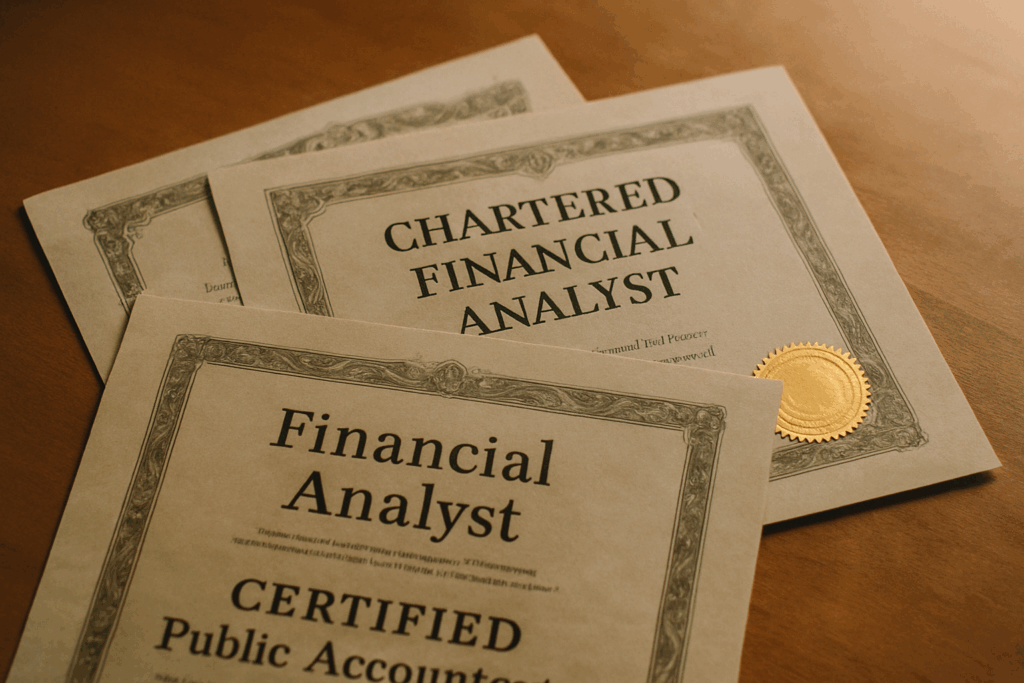
Work With a Pro When It Matters
Tax planning gets more complex as your financial picture grows. Knowing when to bring in a professional and choosing the right one can mean the difference between saving thousands or paying more than necessary.
CPA vs. Financial Planner: Know the Difference
Different advisors serve different roles:
Certified Public Accountant (CPA): Specializes in tax law, preparation, and compliance. Ideal for filing returns, navigating audits, or managing complex deductions.
Financial Planner: Focuses on holistic financial goals like retirement, investment strategy, and long term forecasting. While not always tax experts, they help you make tax efficient financial decisions.
When to hire:
Use a CPA if you own a business, earn investment income, or have had a significant life event (sale of property, inheritance, etc.).
Use a financial planner when your financial life starts to involve multiple goals, accounts, or tax facing investment decisions.
Common Mistakes When Filing Solo
Even seasoned earners make avoidable errors. A few to watch for:
Misreporting income from multiple sources (freelance, rental, dividends)
Overlooking deductible business expenses or filing under the wrong tax status
Failing to adjust withholdings after income increase or lifestyle changes
DIY tax software can be powerful but only if you know what to look for. Complex financial lives almost always benefit from expert review.
Make Annual Reviews a Priority
Even if you don’t have major changes each year, financial environments constantly shift. Annual reviews ensure:
You catch outdated withholding, deduction limits, or changes in laws
Your retirement contributions, investments, and estate planning documents still align with your goals
You’re not leaving money on the table due to oversight or neglect
Tax planning isn’t a once a year task it’s an ongoing process. Especially when your wealth is growing, the cost of inaction adds up fast.
Final Quick Tactics
Deadlines matter more than you think. HSAs (Health Savings Accounts) and FSAs (Flexible Spending Accounts) have use it or lose it rules that can cost you real money if you’re not on top of them. Look at what’s left, spend or contribute accordingly, and lock in the tax advantages before year end.
Next, revisit your withholdings and any quarterly tax payments. If your income shifted this year from a raise, gig work, or investment windfall you might be underpaying without realizing it. Adjust now to avoid penalties later.
Finally, don’t ignore tax loss harvesting. If your portfolio includes any underperformers, selling them before December 31 can offset your gains, trim your bill, and maybe even free up cash for a more strategic move.
Protecting your wealth isn’t just about spending less it’s about making smart, proactive moves. And remember, tax planning is a key estate planning role, not an afterthought.
 Valmira Orrendale writes the kind of market buzz content that people actually send to each other. Not because it's flashy or controversial, but because it's the sort of thing where you read it and immediately think of three people who need to see it. Valmira has a talent for identifying the questions that a lot of people have but haven't quite figured out how to articulate yet — and then answering them properly.
They covers a lot of ground: Market Buzz, Budget Optimization Tactics, Wealth Planning Insights, and plenty of adjacent territory that doesn't always get treated with the same seriousness. The consistency across all of it is a certain kind of respect for the reader. Valmira doesn't assume people are stupid, and they doesn't assume they know everything either. They writes for someone who is genuinely trying to figure something out — because that's usually who's actually reading. That assumption shapes everything from how they structures an explanation to how much background they includes before getting to the point.
Beyond the practical stuff, there's something in Valmira's writing that reflects a real investment in the subject — not performed enthusiasm, but the kind of sustained interest that produces insight over time. They has been paying attention to market buzz long enough that they notices things a more casual observer would miss. That depth shows up in the work in ways that are hard to fake.
Valmira Orrendale writes the kind of market buzz content that people actually send to each other. Not because it's flashy or controversial, but because it's the sort of thing where you read it and immediately think of three people who need to see it. Valmira has a talent for identifying the questions that a lot of people have but haven't quite figured out how to articulate yet — and then answering them properly.
They covers a lot of ground: Market Buzz, Budget Optimization Tactics, Wealth Planning Insights, and plenty of adjacent territory that doesn't always get treated with the same seriousness. The consistency across all of it is a certain kind of respect for the reader. Valmira doesn't assume people are stupid, and they doesn't assume they know everything either. They writes for someone who is genuinely trying to figure something out — because that's usually who's actually reading. That assumption shapes everything from how they structures an explanation to how much background they includes before getting to the point.
Beyond the practical stuff, there's something in Valmira's writing that reflects a real investment in the subject — not performed enthusiasm, but the kind of sustained interest that produces insight over time. They has been paying attention to market buzz long enough that they notices things a more casual observer would miss. That depth shows up in the work in ways that are hard to fake.