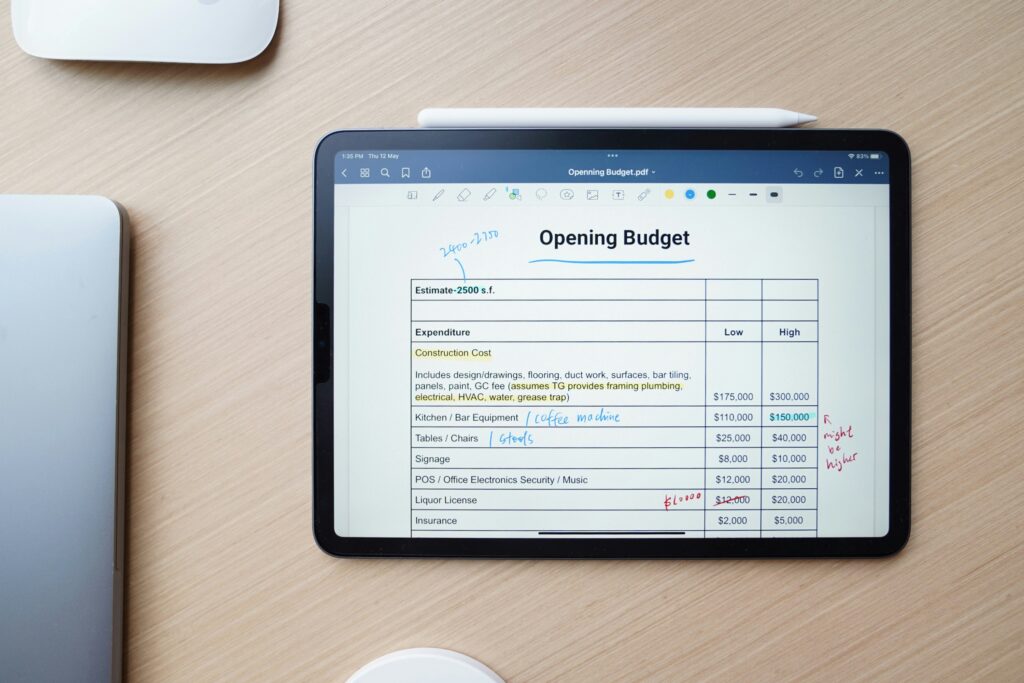

You’re staring at your calendar. Tax deadline in 12 days. Your bookkeeper sent three different answers to the same question.
And that “tax help” tool you paid for? It just told you to “consult a professional.”
I’ve seen this exact moment. Over and over. Not just once or twice.
Hundreds of times.
Most tax advice treats your business like a filing form. Not a living thing with cash flow, growth goals, and real decisions hanging in the balance. That’s why it fails.
I’ve helped service-based founders and e-commerce owners file correctly and make smarter moves all year. Not just in April. We worked through IRS audits.
We fixed past-year errors without penalties. We built systems that scale with the business (not) against it.
This isn’t about surviving tax season.
It’s about using tax work as use for growth.
You’ll see exactly how Business Advice Aggr8taxes does that. No jargon. No theory.
Just real examples from real businesses.
You’ll walk away knowing what it actually delivers (and) whether it fits your version of busy. Not some generic small business owner. You.
Aggr8taxes vs. Everything Else: No More Tax Guesswork
I used TurboTax for years. Then I tried Aggr8taxes. It felt like switching from a paper map to GPS with voice directions.
Standard tax software asks: What’s your income? What deductions did you claim?
Aggr8taxes asks: *Did you pay a contractor over $600 last quarter? If yes, here’s how to file Form 1099-NEC.
And why it changes your Q1 estimated payment.*
That’s the Business Advice Aggr8taxes layer. It’s not just forms. It’s context.
It spots things you forget. Like home office deductions if you’re a remote freelancer. Or inventory accounting shifts when your Shopify store hits $100K in sales.
Most tools wait for you to know what to ask.
Aggr8taxes watches your business and jumps in when something matters.
You don’t get alerts like “Filing deadline approaching.”
You get “You added a W-2 employee last week. Here’s how payroll taxes change, and where to update your state registration.”
| Feature | Standard Software | Aggr8taxes |
|---|---|---|
| Guidance depth | None (just) fields | Explanations tied to your actual activity |
| Proactive alerts | Deadline reminders only | Triggers based on real business events |
| Milestone integration | None | Hiring, sales thresholds, entity changes |
I wouldn’t go back. Would you?
Tax Mistakes That Bleed Cash (Not) Just Paperwork
I’ve watched small businesses lose real money to avoidable tax errors. Not just penalties. Real cash.
Gone.
Underestimating quarterly payments is the most common one. You think you’re safe with last year’s numbers. But if revenue jumped 30%, your estimate is wrong.
A $5,000 underpayment + penalty can cost $720+ in interest over 12 months. That’s a full month of rent for some.
Misclassifying workers hits hard too. Calling a full-time contractor an “independent” doesn’t make it true. One misclassified worker can trigger back taxes, fines, and payroll audits.
It’s not hypothetical. The IRS flagged 42% of small biz audits for this in 2023 (IRS Data Book 2023).
SaaS subscriptions? Content licensing? Digital businesses write those off every month.
Yet 68% miss at least two deductible expenses like these. That’s $1,200. $3,000 left on the table yearly.
And delaying your entity structure review? Dangerous. An LLC that scaled to $180k/year should probably be an S-Corp.
Waiting costs you thousands in self-employment tax (every) year.
Business Advice Aggr8taxes spots these before you file. Not after an IRS notice arrives.
You’re not just filing taxes. You’re managing cash flow.
Here’s how to know you’re already slipping:
- You dread opening your accounting software
- Your quarterly payment feels like a guess
Fix one of those today. Not next quarter.
Tax Data Isn’t Just for April: It’s Your Real-Time Profit Radar
I used to treat tax prep like a yearly chore. Then I started using Aggr8taxes.
It doesn’t forecast. It translates. Takes your raw tax inputs (receipts,) mileage logs, depreciation schedules.
And maps them to real business behavior.
Like that HVAC contractor I worked with last year. He tracked mileage + vehicle depreciation across three quarters. Aggr8taxes grouped those line items, showed him how much he was actually spending per job on transport (not) just “van costs.” Turned out leasing made sense.
He saved $4,200 in Year 1.
That’s not magic. It’s categorization done right.
You can read more about this in Land Contracts Aggr8taxes.
The Profit Pulse dashboard shows margin pressure points (like) when office supplies spike and gross margin drops. You see the link. No guesswork.
You don’t need an accounting degree. You don’t open a spreadsheet. Ever.
This is Business Advice Aggr8taxes (practical,) grounded, immediate.
Land Contracts Aggr8taxes works the same way. Turns contract terms into tax-deductible timing takeaways. Not theory.
Just what hits your bottom line (and) when.
Most people wait until tax season to notice trends. Why?
You already have the data. You’re just not looking at it like this.
Aggr8taxes forces the question: What’s my tax data trying to tell me about my cash flow (right) now?
Answer it before your next invoice goes out.
Not after.
Your First Month With Aggr8taxes: No Fluff, Just Facts
I set up Aggr8taxes for a client last month. Day one was just uploading documents. Bank statements, invoices, QuickBooks export.
Secure upload only. No email attachments. (Yes, I checked the encryption.)
Then came the business profile setup. Not a 20-question quiz. Just six fields that actually matter: entity type, state, revenue model, payroll status, expense categories, and industry niche.
The AI scanned for deductions right away. Not vague suggestions. Real ones (like) home office square footage math or mileage logs auto-pulled from Google Maps history.
By Day 7, they saw their first deduction opportunity. A $1,240 write-off for SaaS dev tools. Flagged because IRS Pub 535 + California Rev & Tax Code §243.5 both apply.
By Day 21, their Q1 estimate was pre-filled. With footnotes explaining why each line exists. Not “because the software says so.” Because a human tax pro reviewed the logic behind every rule.
That’s how Business Advice Aggr8taxes stays defensible. Not magical. Just layered checks.
Some tools guess. This one cites.
You’ll get alerts when state rules change. Like when Texas updated its gig worker guidance last April. Or when the R&D credit expanded for startups in late 2023.
It’s not just deadlines. It’s why that deadline matters (and) what happens if you miss it.
And if you care about long-term tax plan? Check out Investment Savings.
Tax Season Doesn’t Have to Feel Like a Fire Drill
I’ve been there. Staring at receipts at midnight. Wondering if that deduction was legit.
Hoping the IRS doesn’t flag you (again.)
Business Advice Aggr8taxes fixes that. Not with more forms. Not with jargon.
With structure you can actually follow.
You don’t need another tax “expert” who shows up in April and vanishes by May. You need guidance that’s built into your workflow. That spots deductions before you file.
That stops penalties before they start.
What if you knew. In under 9 minutes (exactly) where you’re exposed? And got three real action items to fix it?
Log in or sign up today. Run your free tax health check. No credit card.
No sales call.
Your business deserves tax support that grows with you (not) one that waits for disaster to strike
 Randy Stephensoniels is the kind of writer who genuinely cannot publish something without checking it twice. Maybe three times. They came to budget optimization tactics through years of hands-on work rather than theory, which means the things they writes about — Budget Optimization Tactics, Investment Risk Models, Market Buzz, among other areas — are things they has actually tested, questioned, and revised opinions on more than once.
That shows in the work. Randy's pieces tend to go a level deeper than most. Not in a way that becomes unreadable, but in a way that makes you realize you'd been missing something important. They has a habit of finding the detail that everybody else glosses over and making it the center of the story — which sounds simple, but takes a rare combination of curiosity and patience to pull off consistently. The writing never feels rushed. It feels like someone who sat with the subject long enough to actually understand it.
Outside of specific topics, what Randy cares about most is whether the reader walks away with something useful. Not impressed. Not entertained. Useful. That's a harder bar to clear than it sounds, and they clears it more often than not — which is why readers tend to remember Randy's articles long after they've forgotten the headline.
Randy Stephensoniels is the kind of writer who genuinely cannot publish something without checking it twice. Maybe three times. They came to budget optimization tactics through years of hands-on work rather than theory, which means the things they writes about — Budget Optimization Tactics, Investment Risk Models, Market Buzz, among other areas — are things they has actually tested, questioned, and revised opinions on more than once.
That shows in the work. Randy's pieces tend to go a level deeper than most. Not in a way that becomes unreadable, but in a way that makes you realize you'd been missing something important. They has a habit of finding the detail that everybody else glosses over and making it the center of the story — which sounds simple, but takes a rare combination of curiosity and patience to pull off consistently. The writing never feels rushed. It feels like someone who sat with the subject long enough to actually understand it.
Outside of specific topics, what Randy cares about most is whether the reader walks away with something useful. Not impressed. Not entertained. Useful. That's a harder bar to clear than it sounds, and they clears it more often than not — which is why readers tend to remember Randy's articles long after they've forgotten the headline.