Economic news sounds like it’s in another language.
GDP. Inflation. Interest rates.
They drop into headlines like they’re common sense.
But you didn’t major in economics. You just want to know what’s happening to your paycheck, your rent, your student loan.
I’ve taught this stuff to people who hated math, hated charts, and swore they’d never “get” the economy.
No textbooks. No jargon. Just real examples (like) why your grocery bill jumped, or why your credit card rate changed last month.
This isn’t theory. It’s what actually moves money in your life.
That’s what makes this economy guide dismoneyfied different.
I cut the noise. I keep the meaning.
You’ll walk away knowing what matters. And why it matters to you.
Not tomorrow. Right now.
What Exactly Is ‘The Economy’?
It’s not magic. It’s not some distant force run by shadowy people in suits. It’s just buying and selling.
All of it. Every day.
Your coffee. My car repair. That factory in Ohio making circuit boards.
The TikTok ad you scrolled past three seconds ago. All part of it.
Think of the economy as a giant, noisy marketplace (no) roof, no walls, no closing time. Everyone’s in it. You’re always both a buyer and a seller.
Even if you don’t realize it.
I sell my time. You sell your labor. A farmer sells tomatoes.
A coder sells code. A kid sells lemonade (badly, but still).
Two things keep that marketplace moving: supply and demand.
Supply is how much exists. Demand is how badly people want it.
Remember when PlayStation 5s vanished from shelves? Supply was low. Demand was insane.
Prices spiked on eBay. That’s supply and demand. Raw and unfiltered.
Same thing with avocados after that one viral toast trend hit. Prices jumped 40% in six months. (Yes, I checked the USDA data.)
That’s not conspiracy. It’s math dressed up as groceries.
If you want a real-world, no-jargon economy guide dismoneyfied, start with Dismoneyfied. It strips out the fluff. Shows you what moves first.
Most economics courses skip this part. They assume you already know what “the economy” is. Spoiler: most people don’t.
You don’t need a degree to get it.
You just need to watch what happens when something runs out. Or suddenly gets popular.
That’s where the real lesson lives.
The Economy’s Dashboard: Three Numbers That Actually Matter
I check these three numbers every month. Not because I love spreadsheets (I don’t). Because they tell me what’s really happening (not) what politicians or headlines say is happening.
GDP is the total price tag of everything a country makes in a quarter. Think of it like your household’s annual income. If it rises, businesses usually hire.
If it falls, layoffs follow. I watched my cousin’s auto shop cut hours when GDP dipped in early 2023. No press release.
Just fewer paychecks.
Inflation? That’s how fast your dollar shrinks. In 1990, a dollar bought a whole gallon of milk.
Today? Less than half a gallon. A little inflation is normal (like) rust on a bike chain.
But when it spikes, your savings bleed out slowly.
The unemployment rate? It’s just the share of people who want work and can’t find it. Not everyone who’s out of work counts.
Only those actively applying or interviewing. A low number means more paychecks hitting bank accounts. Which means more coffee orders, more car repairs, more rent paid.
It’s not abstract. It’s your neighbor’s paycheck.
You’re probably wondering: Which one matters most right now?
None of them do (alone.)
They’re a team. Like checking oil, tire pressure, and coolant before a road trip. Miss one, and you’ll stall somewhere dumb.
I used to ignore unemployment data until my sister got laid off in 2022. Then I started reading the Bureau of Labor Statistics reports myself. No summaries.
No spin. Just the raw numbers.
This isn’t about forecasting recessions. It’s about knowing whether your job, your rent, your grocery bill is about to get harder. Or easier.
That’s why I built this economy guide dismoneyfied: plain English, no jargon, no fluff. Just what moves the needle.
I covered this topic over in money tips dismoneyfied.
You don’t need a finance degree. You need clarity. And three numbers.
That’s it.
How Interest Rates Hit Your Paycheck
I watch the Fed like it’s a weather report. Because it is.
The Federal Reserve is the bank for banks. Not your bank. Not mine.
It sets the rules for how much it costs to borrow money across the whole country.
That cost? That’s the interest rate.
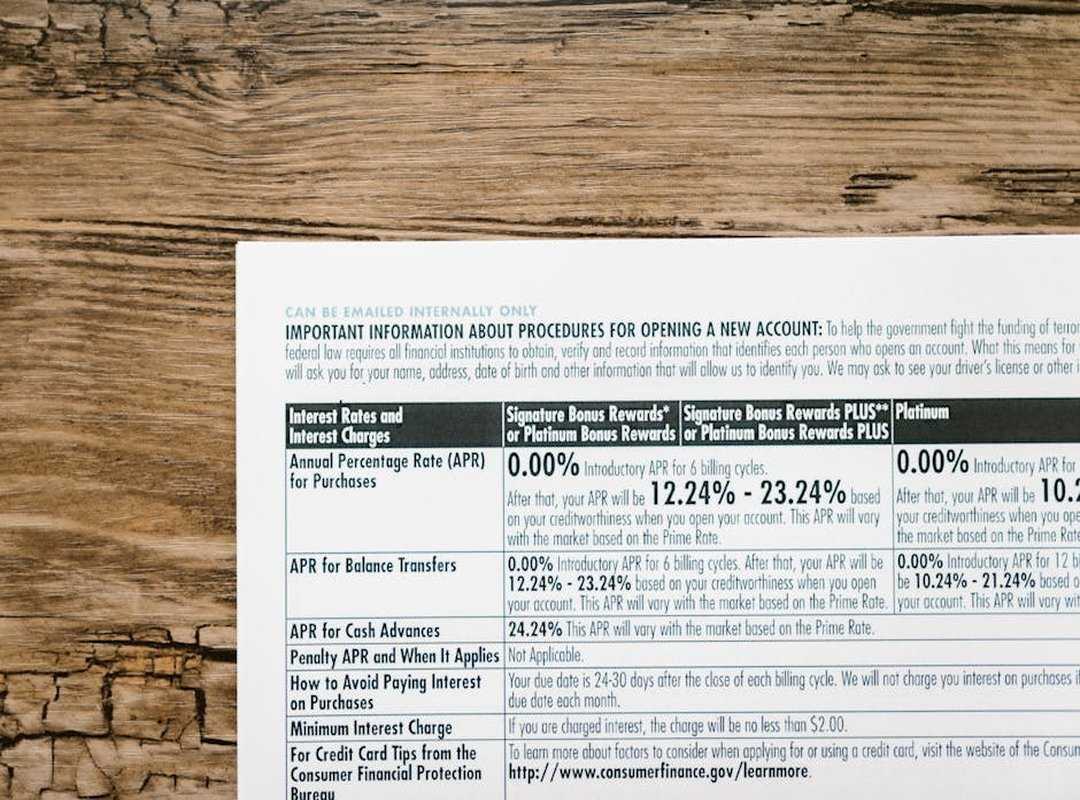
When the Fed raises rates, banks raise theirs too. Your credit card APR jumps. Your car loan gets pricier.
Your mortgage application suddenly feels like climbing a hill in flip-flops.
Why do they do it? To cool down inflation. Too much spending → prices rise → Fed hikes rates → borrowing hurts → people slow down.
It works. But it also stings.
And when the Fed cuts rates? Everything flips. Credit cards get cheaper.
Car loans shrink. Mortgages drop. Businesses hire.
You might finally ask for that raise.
Here’s what no one tells you: A 1% change on a $300,000 mortgage isn’t just “a little more.” It’s over $60,000 extra paid over 30 years. Or saved.
That’s not theoretical. I ran the numbers last month. On two real loans.
Same house. Different rates. The difference was a used Honda Civic.
You feel this in your grocery bill. Your rent. Your student loan payment.
Even your paycheck (because) when companies can’t borrow cheaply, they don’t expand. And when they don’t expand, raises stall.
This isn’t abstract economics. It’s your rent due date. Your credit card statement.
Your kid’s college fund.
The economy guide dismoneyfied cuts through the noise. It explains what the Fed actually does (without) charts, jargon, or PowerPoint slides.
I read it before my last refinance. Saved me $12,000.
If you’re thinking about buying a house, opening a business, or even just paying off debt. Read more.
This guide doesn’t pretend to predict the Fed. It helps you react faster than everyone else.
Because waiting for “the right time” usually means missing it.
Connecting the Dots: Headlines Aren’t Magic
I read financial news every morning. Not because I love it. Because I refuse to be surprised.
You don’t need a finance degree to get what’s happening. You just need to know one core idea: money moves in chains.
If GDP growth slows? That’s not just a number. It means companies earn less.
Which means they hire slower. Or cut staff. Which means your raise might stall.
Or vanish.
Fed raises interest rates? Your credit card APR jumps. Car loans get harder.
Home refinancing dies overnight. (Yes, even if you’re not shopping right now (rates) ripple.)
Inflation ticks up? Your grocery bill climbs. But also.
Your boss might delay that promotion. Why? Because profits shrink before wages rise.
These aren’t predictions. They’re cause-and-effect loops. Simple ones.
Repeated over and over.
You see “stock market drops” and think “my 401(k) is bleeding.” Good. That’s the right first thought.
Then ask: What made it drop? Was it oil prices? A new tariff? A CEO quitting?
One of those things touches your gas, your paycheck, or your next job interview.
You don’t have to forecast. You just have to follow the thread.
And if you want that thread laid out clearly. No jargon, no fluff. I built the economy guide dismoneyfied as a starting point.
It’s the Business guide dismoneyfied I wish I’d had ten years ago.
Read one headline today. Then ask: What does this actually touch in my life?
Do that three times. You’ll already know more than most.
You Just Stopped Drowning in the News
I used to skip financial headlines too. Same panic. Same confusion.
Same feeling that it’s all noise.
Not anymore.
You now know what GDP really means. You see inflation for what it is (not) a mystery, but a number that changes your grocery bill. Interest rates?
They’re not abstract. They decide whether your loan gets approved.
This isn’t theory. It’s your rent. Your paycheck.
Your retirement account.
The economy guide dismoneyfied gave you the lens (not) the whole library.
So next time a headline flashes on your phone…
Don’t scroll past. Pause. Ask: Which one of these three things does this touch?
That’s how control starts. Right there. In that pause.
Do it today.
 Randy Stephensoniels is the kind of writer who genuinely cannot publish something without checking it twice. Maybe three times. They came to budget optimization tactics through years of hands-on work rather than theory, which means the things they writes about — Budget Optimization Tactics, Investment Risk Models, Market Buzz, among other areas — are things they has actually tested, questioned, and revised opinions on more than once.
That shows in the work. Randy's pieces tend to go a level deeper than most. Not in a way that becomes unreadable, but in a way that makes you realize you'd been missing something important. They has a habit of finding the detail that everybody else glosses over and making it the center of the story — which sounds simple, but takes a rare combination of curiosity and patience to pull off consistently. The writing never feels rushed. It feels like someone who sat with the subject long enough to actually understand it.
Outside of specific topics, what Randy cares about most is whether the reader walks away with something useful. Not impressed. Not entertained. Useful. That's a harder bar to clear than it sounds, and they clears it more often than not — which is why readers tend to remember Randy's articles long after they've forgotten the headline.
Randy Stephensoniels is the kind of writer who genuinely cannot publish something without checking it twice. Maybe three times. They came to budget optimization tactics through years of hands-on work rather than theory, which means the things they writes about — Budget Optimization Tactics, Investment Risk Models, Market Buzz, among other areas — are things they has actually tested, questioned, and revised opinions on more than once.
That shows in the work. Randy's pieces tend to go a level deeper than most. Not in a way that becomes unreadable, but in a way that makes you realize you'd been missing something important. They has a habit of finding the detail that everybody else glosses over and making it the center of the story — which sounds simple, but takes a rare combination of curiosity and patience to pull off consistently. The writing never feels rushed. It feels like someone who sat with the subject long enough to actually understand it.
Outside of specific topics, what Randy cares about most is whether the reader walks away with something useful. Not impressed. Not entertained. Useful. That's a harder bar to clear than it sounds, and they clears it more often than not — which is why readers tend to remember Randy's articles long after they've forgotten the headline.