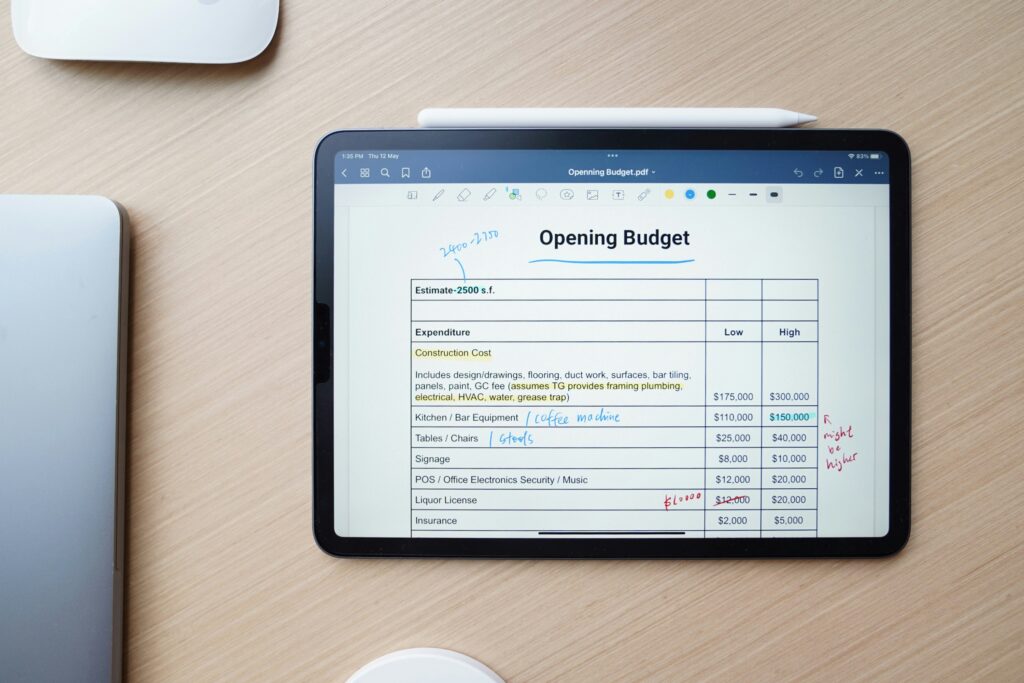

You’re staring at a business guide right now.
And you have no idea where to start.
It’s thick. It’s full of words like “combo” and “use” and “complete.”
(Who talks like that in real life?)
I’ve watched people close those guides after two pages.
Then open three tabs trying to Google what “value proposition canvas” actually means.
This isn’t your fault.
It’s the guide’s.
business guide dismoneyfied isn’t about dumbing things down.
It’s about cutting through the noise so you see what’s useful. And what’s just filler.
I’ve used these guides with startups that couldn’t afford consultants. With solopreneurs who needed answers yesterday. With small teams running on coffee and spreadsheets.
No theory. No fluff. Just what works.
Compliance rules change weekly. Digital tools update every month. Customers expect more.
Faster.
Clarity isn’t nice to have.
It’s how you stay alive.
This article shows you how business guides really function. Not as rigid manuals. But as living, adjustable frameworks.
You’ll walk away knowing which parts to keep, which to skip, and why most guides fail you from page one.
Let’s fix that.
Why Business Guides Feel Like Tax Forms
I open a business guide and immediately feel like I’m reading a contract written in Klingon.
It’s not you. It’s the guide.
Most are dismoneyfied (built) for someone else’s job, not yours. (Like handing a chef a pilot’s manual and saying “just wing it.”)
Outdated templates assume your company has a CFO. Or a marketing team. Or even a budget.
Spoiler: you don’t.
Industry jargon slips in without warning. KPI. OKR.
TAM. CAC. They drop acronyms like they’re common knowledge.
They’re not. Not unless you’ve sat through three board meetings and two failed SaaS launches.
Then there’s audience whiplash. One paragraph talks to founders. The next assumes you’re an investor reviewing 47 pitch decks.
Then it pivots to HR policy. But only if you already have HR.
I saw a “marketing section” “Sync your CRM with your ad platform.” My CRM is a Google Sheet named “leads-2023-final-v2-actually-final.xlsx.” So yeah.
Dense tables. Glossaries buried in footnotes. Zero links to definitions.
That’s not clarity (it’s) gatekeeping.
Ask yourself:
Do I skip sections because I don’t know what they mean? Does every “step” assume tools I don’t own? Have I bookmarked the same page three times and still not used it?
If you answered yes to two or more. Your guide isn’t broken. It’s dismoneyfied.
Fix starts there.
The 5 Things Your Business Guide Can’t Skip (Seriously)
I wrote my first business guide in 2018. It failed. Hard.
People ignored it. Or worse (they) tried to follow it and got stuck.
Here’s why: it missed Role Clarity.
Vision & Scope tells you what you’re doing. Not why it matters (or) where the line is between “strategic” and “just busy.”
Before: “Grow revenue.”
After: “Add two net-new clients per quarter using outbound emails tracked in HubSpot. Owner: Sarah, due Friday EOD.”
Decision Triggers tell you when to act. Not just “review later.”
Before: “Review finances quarterly.”
After: “Pull P&L report from QuickBooks on last Friday of month; share summary with CFO via Slack + Google Doc template.”
Role Clarity says who owns what. Most free guides skip this. Big mistake.
If two people think they’re responsible for approvals, nothing ships.
Resource Anchors name the exact tools, contacts, permissions. Not “use the CRM.”
Say: “Log deals in Salesforce (access) granted to Sales team only. Admin: Jamal.”
Feedback Loops close the loop. Not “get input.”
Say: “Every Monday at 9 a.m., sales lead shares top 3 roadblocks in 5-minute Loom (PM) responds by noon.”
Skip any one? Ambiguity wins. Over-customize?
You’re polishing the deck instead of shipping the thing.
A real-world example: a client spent six weeks building a “perfect” business guide. Then never used it.
They were editing headers while their team missed deadlines.
That’s how you get a business guide dismoneyfied.
Stop designing. Start using.
Your Business Guide Isn’t Broken. It’s Just Wearing the Wrong

I’ve watched teams waste weeks updating a guide nobody follows.
Then realize they’re using a Growth-stage playbook while still deciding who answers Slack messages.
I covered this topic over in economy guide.
Startup mode? Speed and clarity win. Who signs off on hiring?
Who approves software spend? If that’s not spelled out in bold, you’re already behind.
Growth means handoffs matter more than speed. You need documented triggers. Not just “when things get busy.” When does support stop answering billing questions?
When does engineering stop writing release notes for customers?
Transition is about keeping lights on while changing engines.
That means capturing tribal knowledge before people leave. Not after.
Red flag: your guide requires 12 approval steps for a $500 expense. You’re not being thorough. You’re using a Growth template in Startup mode.
Ownership Focus vs. Process Rigor:
Startup = high ownership, low rigor
Growth = shared ownership, rising rigor
Transition = distributed ownership, high rigor
A 7-person SaaS team cut meeting prep time by 65%. Just by deleting three “required” docs from their economy guide dismoneyfied.
They stopped pretending they were bigger than they were.
Business guide dismoneyfied means stripping away what doesn’t serve your stage today.
Not what sounds impressive in a board deck.
Not what worked for someone else last year.
If your guide hasn’t been trimmed in 90 days, it’s lying to you.
Free Tools That Don’t Waste Your Time
I tested over two dozen free templates across real small teams. Most broke down in week two.
Notion’s public Business Playbook template works. If you know how to gut it. Duplicate first.
Then rename every header. Replace every bracketed example like “[Insert Q3 Goal]” with your actual target. Skip that, and you’ll stare at filler forever.
Canva’s visual workflow builder? Perfect for people who blank out at bullet points. Drag shapes.
Connect arrows. No writing required. I used it to map a client’s onboarding flow in 12 minutes.
Their ops lead cried (happy tears).
Google Sheets’ ‘Decision Log’ starter is the quiet MVP. It asks: *What did we decide? Why?
Who owns next steps? And (this) matters (What) would make this obsolete in 6 months?* That last question kills bad assumptions fast.
Beware Notion databases that demand admin rights. You won’t get them. You’ll get silence and a stalled project.
Here’s your 30-second setup checklist:
- Duplicate →
- Rename headers →
3.
Replace bracketed examples →
- Share link with one person for feedback
That’s it. No magic. No fluff.
You can read more about this in Investment guide dismoneyfied.
If you’re building something bigger. Like a full business guide dismoneyfied (you’ll) need deeper structure. This guide walks through exactly how to build one without overcomplicating it. read more
Your First Real Revision Starts Now
I’ve seen too many people stare at blank docs. Wasting hours on guides that sound smart but don’t help.
You’re done with that.
This isn’t about rewriting everything. It’s about one section. One sentence.
Right now.
Who does it? When? With what tool?
That’s your clarity test. Pass it (or) cut it.
You already know which section trips you up every time. Go there first.
Open a blank doc. Or Notion. Title it ‘My Demystified Guide (Version) 1.0’.
Then write just the Vision & Scope sentence.
No editing. No second-guessing. Just that one line.
Clarity isn’t perfect. It’s practiced.
Your first sentence is already enough.
Do it now. Before you close this tab. (Yes. right now.)
 Randy Stephensoniels is the kind of writer who genuinely cannot publish something without checking it twice. Maybe three times. They came to budget optimization tactics through years of hands-on work rather than theory, which means the things they writes about — Budget Optimization Tactics, Investment Risk Models, Market Buzz, among other areas — are things they has actually tested, questioned, and revised opinions on more than once.
That shows in the work. Randy's pieces tend to go a level deeper than most. Not in a way that becomes unreadable, but in a way that makes you realize you'd been missing something important. They has a habit of finding the detail that everybody else glosses over and making it the center of the story — which sounds simple, but takes a rare combination of curiosity and patience to pull off consistently. The writing never feels rushed. It feels like someone who sat with the subject long enough to actually understand it.
Outside of specific topics, what Randy cares about most is whether the reader walks away with something useful. Not impressed. Not entertained. Useful. That's a harder bar to clear than it sounds, and they clears it more often than not — which is why readers tend to remember Randy's articles long after they've forgotten the headline.
Randy Stephensoniels is the kind of writer who genuinely cannot publish something without checking it twice. Maybe three times. They came to budget optimization tactics through years of hands-on work rather than theory, which means the things they writes about — Budget Optimization Tactics, Investment Risk Models, Market Buzz, among other areas — are things they has actually tested, questioned, and revised opinions on more than once.
That shows in the work. Randy's pieces tend to go a level deeper than most. Not in a way that becomes unreadable, but in a way that makes you realize you'd been missing something important. They has a habit of finding the detail that everybody else glosses over and making it the center of the story — which sounds simple, but takes a rare combination of curiosity and patience to pull off consistently. The writing never feels rushed. It feels like someone who sat with the subject long enough to actually understand it.
Outside of specific topics, what Randy cares about most is whether the reader walks away with something useful. Not impressed. Not entertained. Useful. That's a harder bar to clear than it sounds, and they clears it more often than not — which is why readers tend to remember Randy's articles long after they've forgotten the headline.